Possessing the necessary abilities is only half the battle in the cutthroat world of forensic investigation. You must successfully demonstrate your forensic investigation abilities in a way that emphasizes your knowledge, experience, and professionalism if you want to make an impression on prospective employers. This article will give you practical advice on how to showcase yourself as a top applicant in the field of forensic investigation, whether you're submitting for your first job or want to progress in your career.
Building a Strong Resume
It's important to ensure your resume effectively highlights your forensic investigation skills, as it's often the first thing a prospective employer sees. Here are some pointers for crafting a compelling CV:
- Emphasize Relevant Experience: Pay attention to positions and initiatives that showcase your proficiency in forensic analysis. Give concrete examples of how you've used your abilities in practical situations.
- Use Action Verbs: To effectively communicate your contributions, begin each bullet point with powerful action verbs like "analysed," "investigated," "documented," and "resolved."
- Measure Your Success: If at all possible, measure your success with data. "Conducted forensic analysis on 50+ cases, leading to a 95% rate of success in evidence recovery," for instance.
- Customize Your Resume: Make your resume unique for every job application by highlighting the experiences and abilities that are most pertinent to the role.
In addition to showcasing your abilities, a well-written CV also shows that you can communicate clearly and professionally.
Creating a Forensic Investigation Portfolio
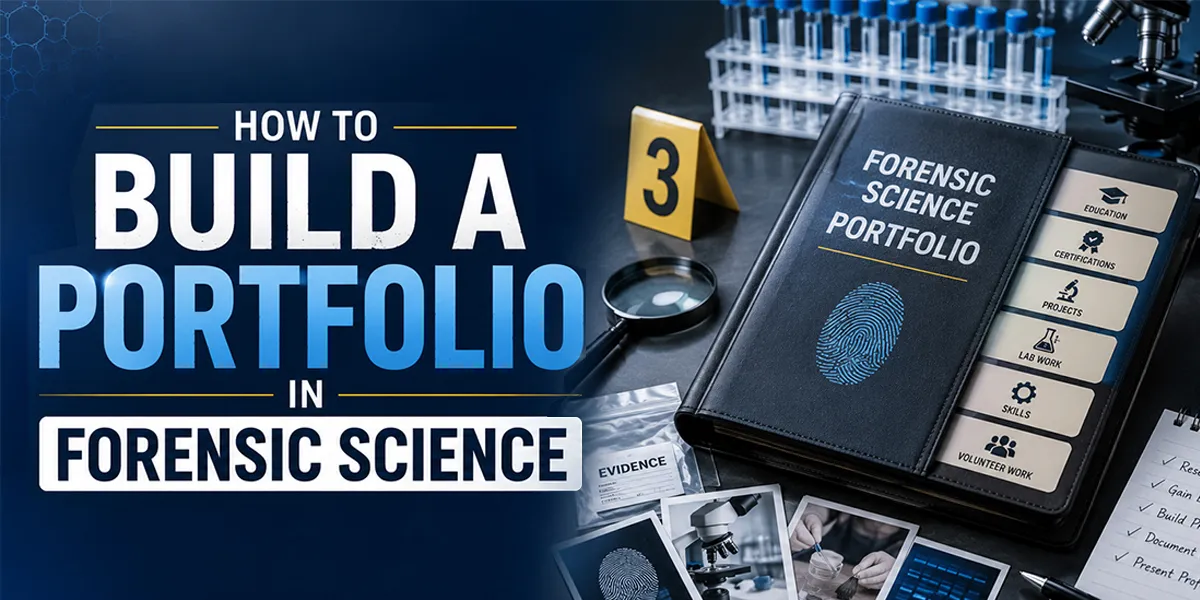
By offering concrete evidence of your work, a portfolio is an effective way to demonstrate your forensic investigation skills. Here's how to put together a strong portfolio:
- Incorporate Case Studies: Record particular situations you've worked on, along with the difficulties you encountered, the methods you employed, and the results you attained.
- Showcase Tools and Techniques: Describe how you employed tools and software, such as EnCase, FTK Imager, or Wireshark, in your work.
- Include Visuals: Make your portfolio more interesting by using screenshots, charts, and infographics to show your findings.
- Maintain secrecy: To preserve secrecy, make sure that any sensitive data is redacted or anonymized.
A portfolio shows your technical proficiency as well as your capacity to communicate difficult concepts in an understandable and polished way.
Networking and Professional Associations
Making connections with possible employers and showcasing your forensic investigation abilities can be accomplished through networking. Here are some tips for maximizing networking opportunities:
- Join Professional Associations: Groups such as the High Technology Crime Investigation Association (HTCIA) and the International Association of Computer Investigative Specialists (IACIS) provide job listings, resources, and networking opportunities.
- Attend Conferences and Workshops: Take part in industry gatherings to network with specialists, discover the newest trends, and demonstrate your skills.
- Make Use of LinkedIn: Use LinkedIn to network with professionals in the field, join organizations that interest you, and post content that showcases your expertise.
Networking can lead to employment chances and offer insightful information about the profession of forensic investigation.
Preparing for Forensic Investigation Interviews
You have the opportunity to demonstrate your forensic investigation abilities in person during interviews. Here's how to get ready:
- Research the Employer: To customize your answers, learn about the organization's goals, core principles, and most recent initiatives.
- Practice Frequently Asked Questions: Be ready to respond to inquiries concerning your background, technical proficiency, and capacity for problem-solving.
- Prepare Examples: Give thorough examples of how you've used your abilities in practical situations using the STAR technique (Situation, Task, Action, Result).
- Ask Questions: Inquire intelligently about the team, initiatives, and expectations to demonstrate your interest in the position.
You may show off your knowledge and self-assurance in the interview by being well-prepared.
Showcasing Certifications and Training
A crucial method of showcasing your forensic investigation abilities and proving your dedication to professional growth is through certifications and training. Consider the following certifications:
- Certified Forensic Computer Examiner (CFCE)
- GIAC Certified Forensic Examiner (GCFE)
- Certified Hacking Forensic Investigator (CHFI)
- EnCase Certified Examiner (EnCE)
Your credibility and professional prospects might be greatly improved by adding these certifications to your LinkedIn profile and CV.
Leveraging Social Media and Online Presence
One of the most significant ways to demonstrate your forensic investigation abilities to prospective employers is through your web presence. Here's how to maximize it:
- Make the most of your LinkedIn profile by using a professional photo, creating an attention-grabbing title, and providing thorough summaries of your qualifications.
- Share Industry Insights: To show your expertise and involvement, publish articles, case studies, and updates regarding the topic of forensic investigation.
- Interact with Others: To grow your network, leave comments on postings, participate in conversations, and get in touch with business leaders.
You can demonstrate your proficiency in forensic investigation and make an impression on prospective employers by having a good web presence.
Conclusion
Developing a solid resume, constructing a portfolio, networking, and interview preparation are all part of a comprehensive strategy to showcase your forensic investigative skills to prospective employers. You may successfully showcase your expertise and make a name for yourself in the cutthroat world of forensic investigation by using the advice provided in this guide.
To advance your career and meet your professional objectives in forensic investigation, begin putting these methods into practice right now.